Sustainability is a concept that has gained increasing importance in recent years, as the impacts of human activity on the environment become more apparent. While there are many different approaches to sustainability, one potential source of inspiration is the past. Looking to historical examples of sustainable practices can provide insight into how we might live more harmoniously with the natural world.
Before the advent of plastic and other modern materials, humans had to rely on more sustainable alternatives. For example, many cultures throughout history have used natural fibers such as cotton, hemp, and wool for clothing and textiles, which are biodegradable and can be grown without harmful chemicals. Additionally, many traditional building techniques, such as adobe, cob, and thatch, use natural materials and are designed to be energy-efficient and low-impact.
In some cases, historical sustainability practices have been preserved and adapted to modern contexts. For example, in Japan, the traditional practice of mottainai encourages the careful use and reuse of resources, while in India, the ancient practice of rainwater harvesting has been revived to address water scarcity.
There are also examples of modern sustainability practices that draw inspiration from the past. For instance, the zero-waste movement promotes the reduction of waste by using reusable containers and reducing packaging, a practice that harkens back to the days before single-use plastics.
While not all historical practices are necessarily sustainable or applicable to modern contexts, looking to the past can provide a valuable perspective on sustainable living. By learning from traditional practices, we can identify ways to reduce our reliance on non-renewable resources and minimize our impact on the environment.
In conclusion, while sustainability is often associated with cutting-edge technologies and innovative solutions, historical examples can also provide valuable insights into sustainable living. By looking to the past, we can identify traditional practices that promote harmony with the natural world and adapt them to modern contexts. Ultimately, the key to sustainability is finding a balance between the needs of the present and the preservation of the planet for future generations.
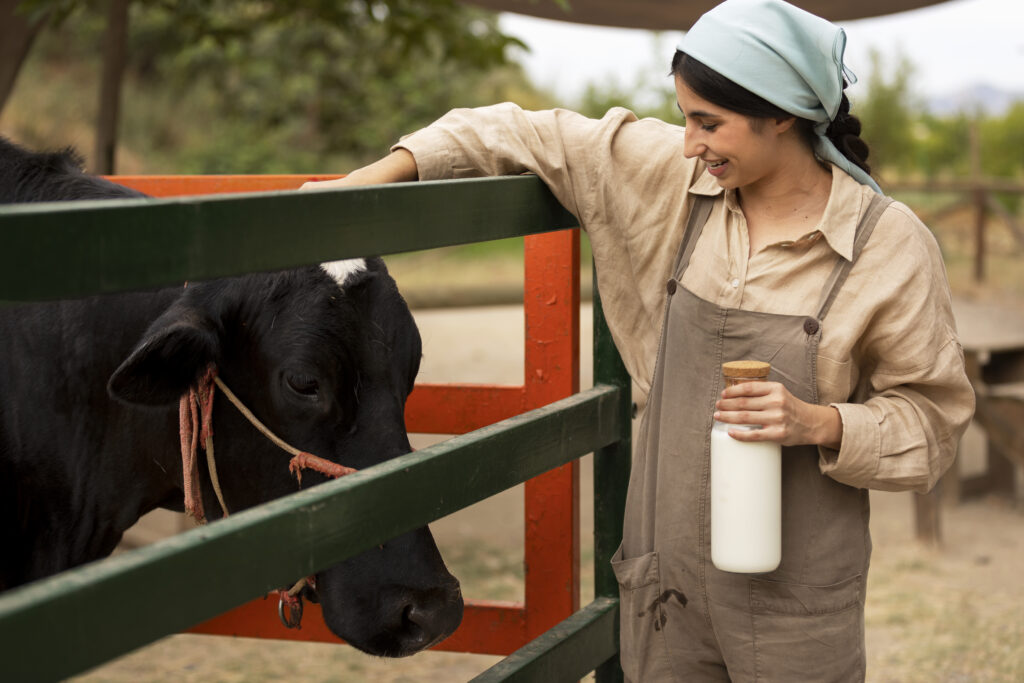
Image from: Free Photo | Side view smiley woman petting cow (freepik.com)
Thank you for sharing this insightful article! I found the information really useful and thought-provoking. Your writing style is engaging, and it made the topic much easier to understand. Looking forward to reading more of your posts!